A Certificate III program is generally intended for people who want structured foundations in patisserie rather than a short collection of recipes. Course work can cover pastry products, desserts, preparation techniques, food safety and the routines that support production. The patisserie course adelaide page is a useful starting point for checking the current course context, entry information and assessment arrangements. Details can vary according to a learner’s circumstances, so confirm eligibility, delivery arrangements and any available assistance with the provider before making an enrolment decision.
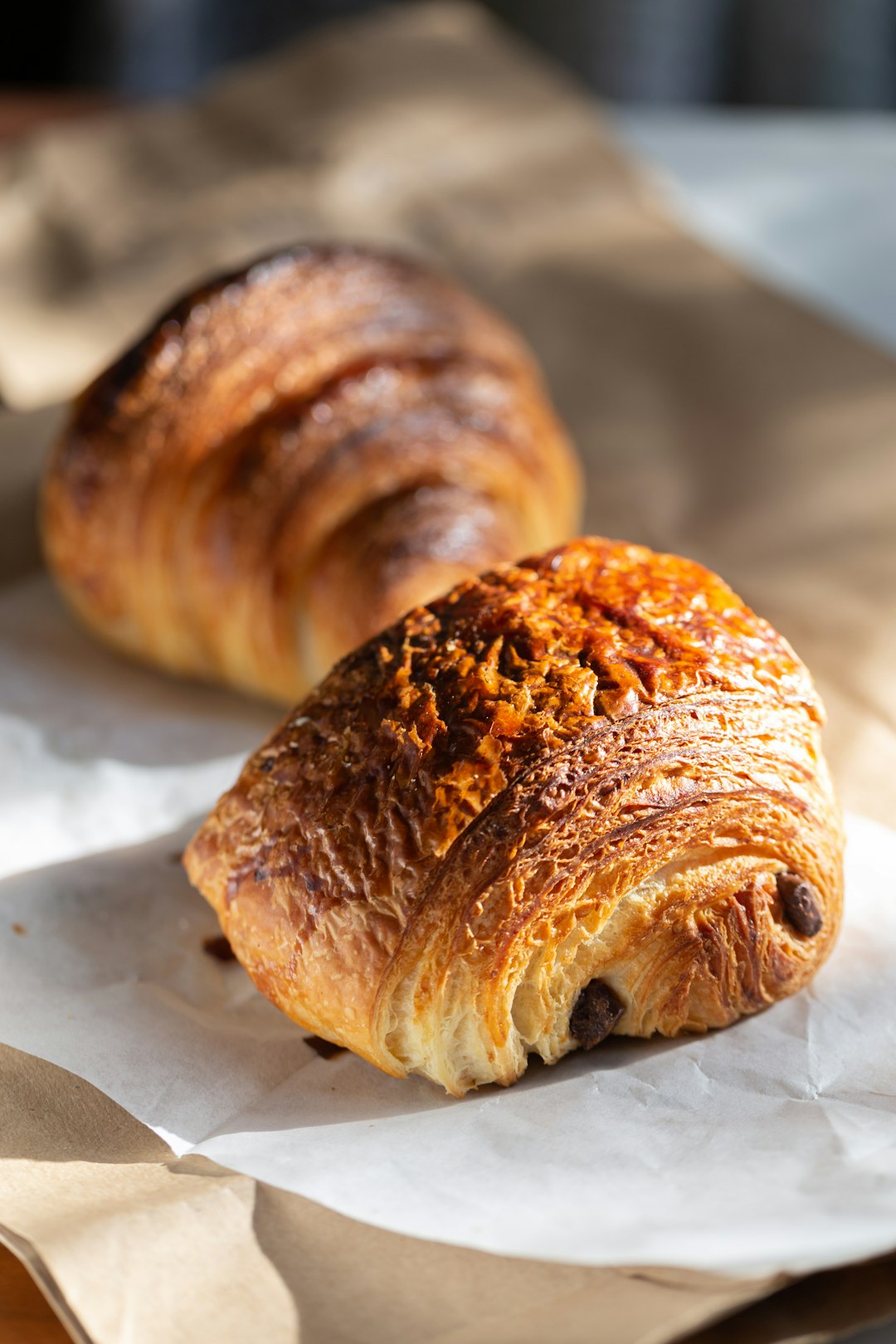
Lamination is one of the clearest examples of technique affecting texture. A dough is folded around butter, then rolled and folded so separate layers form through the pastry. During baking, moisture produces steam and helps lift those layers. Butter that is too warm can smear into the dough, while butter that is too cold may crack and create weak spots. On a warm Adelaide day, a baker may need to pause the process and chill the dough before the next fold. Checking flexibility and resistance is more reliable than following the clock without observation.
Choux pastry calls for a different kind of control. The flour is incorporated into a cooked mixture of liquid and fat, and the paste is cooled slightly before eggs are added in stages. The finished paste should be smooth and capable of holding its shape when piped. Adding egg from a jug all at once can make it too loose, so a pastry cook usually adds part of the egg, mixes thoroughly and checks the consistency before continuing. Eclairs also need enough time in the oven for their shells to set. Opening the door too early can allow steam to escape and leave them collapsed.
Chocolate work introduces temperature management in a particularly visible way. Tempering involves heating and cooling chocolate in a controlled sequence so the cocoa butter forms a stable structure. Properly handled chocolate should set with a cleaner surface and firmer snap than chocolate that has been heated and cooled without control. A practical check might involve spreading a small sample on baking paper before coating a mould or making decorations. If the sample remains soft or develops dull streaks, the cook has useful evidence that the temperature sequence or working conditions need attention.
Daily kitchen habits carry as much weight as decorative skill. Mise en place means weighing ingredients, preparing equipment and clearing the bench before production begins. A written production sheet can prevent a second batch from being mixed before the first has been baked, while labels on containers help identify prepared creams, fillings and components. Scales should be checked and reset between ingredients rather than relying on a measuring cup. Cleaning as each stage ends also reduces cross-contact risks and leaves the bench ready for the next task. These habits make busy service more controlled and reduce avoidable rework.
Before applying, check practical matters that affect attendance and preparation. Ask about class times, the expected clothing and footwear, equipment supplied on site, and any requirements that apply before training begins. It can also help to read the enrolment information carefully and keep copies of documents requested during the application process. People with previous commercial kitchen experience should ask whether Recognition of Prior Learning, or RPL, is available. RPL compares existing skills and evidence with course requirements. Credit transfer may also apply where earlier formal study matches part of the training. The provider’s adelaide hospitality course details can support initial research, but personal eligibility and funding conditions need direct confirmation.
The right training focus depends on the work a person hopes to do next. A future bakery employee may need practice with batch consistency, production timing and safe work under supervision. Someone changing careers may need more time with basic doughs, creams, piping and finishing. Feedback can concern details that seem minor until they affect the final product, such as uneven tart thickness, an underbaked base or a darkened edge caused by poor tray placement. Keeping notes after each practical session is a useful habit: record dough temperature, chilling time, oven setting and the adjustment to test next time.