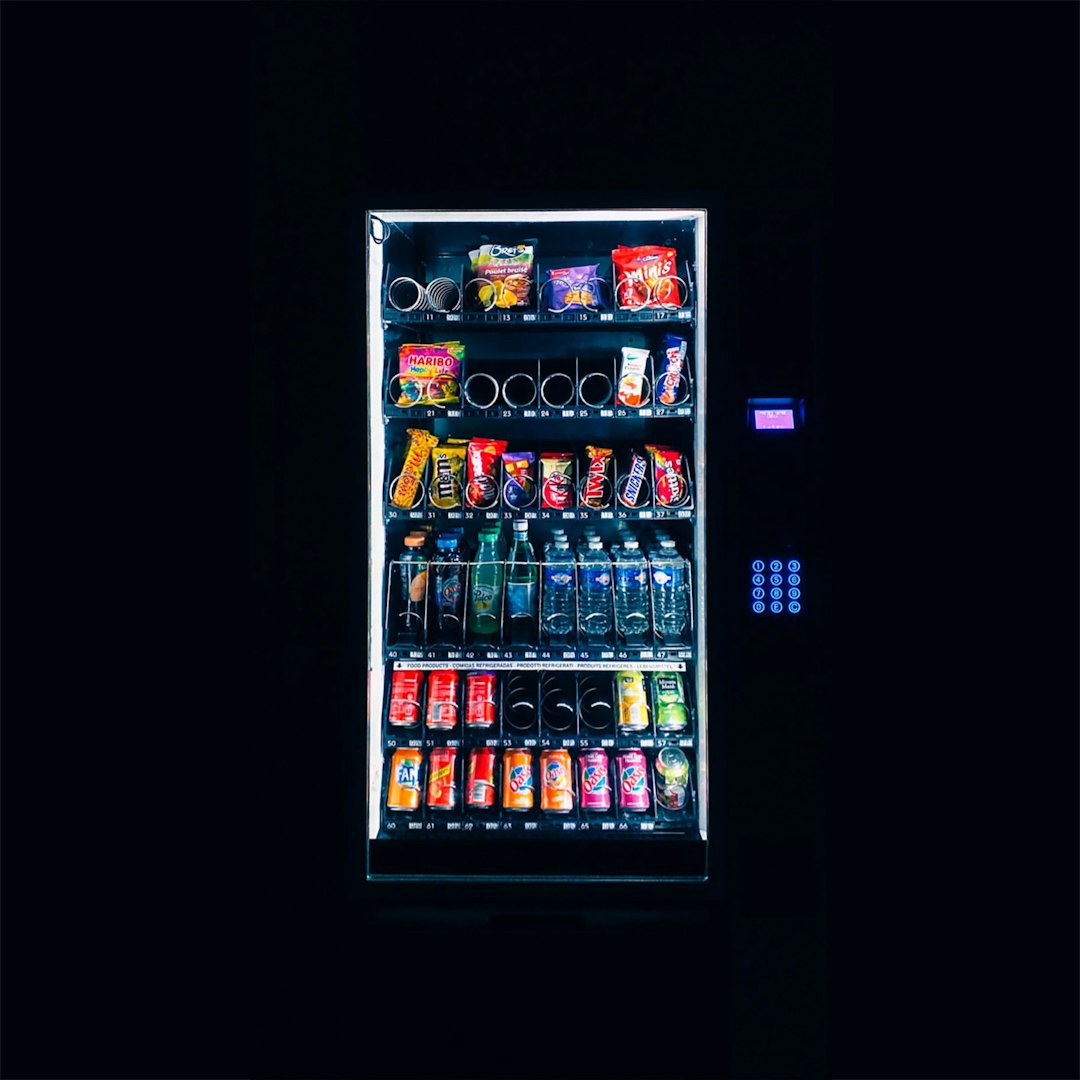
Size does not determine whether a workplace is suitable. A small studio with a steady daytime team may have enough demand for a compact snack machine, while a site with rotating shifts may need chilled drinks and a wider selection. Combination machines place snacks and drinks in one cabinet, which can save floor space, but they still need room for servicing and stock delivery. Before requesting proposals, a manager should note staff numbers, shift times, visitor traffic and the hours when people remain on site. A simple floor plan can expose a problem early, such as a cabinet blocking a fire exit, doorway or cleaning route.
Stock control is often misunderstood. Staff do not need to report every empty spiral before an operator knows there is a problem if the equipment and service arrangement support remote monitoring. Telemetry refers to the transmission of information about a machine, which may include sales activity, operating status or communication faults. It can help an operator spot a fast-selling selection and arrange attention sooner, although it does not replace physical servicing. A useful habit is to compare the machine’s sales report with a quick visual check during each visit. That prevents a popular item from remaining unavailable simply because the system recorded sales but did not explain why the shelf was empty.
Refrigerated equipment also needs more than an attractive product display. A cooling system is designed to keep suitable drinks or fresh items within an appropriate temperature range, and its compressor circulates refrigerant as part of that process. The exact requirements vary by model, so the installation instructions should be checked before the cabinet arrives. The site should provide a suitable power outlet, airflow around the casing and protection from avoidable heat sources. Pushing a machine tightly against a wall or placing it beside an oven can interfere with operation. A site survey that records outlet locations, access widths and nearby equipment can prevent a return visit.
Contactless payment adds convenience, but it does not remove the need for service checks. A card or phone reader must communicate with the payment service and the machine before a transaction is approved, so a network or reader fault can interrupt a sale even if the product is still visible. The operator should explain how refunds are handled, where a failed transaction is reported and whether the machine displays a contact number. Staff often assume that a declined payment means the item is unavailable, then walk away without reporting the fault. Clear instructions near the reader and a tested escalation process make small payment problems easier to resolve.
A vending machine does not dictate the workplace diet unless the purchasing decisions do. A sensible range might include bottled water, lower-sugar drinks, nuts where appropriate, breakfast products and lighter snacks alongside familiar treats. Product rotation should follow actual demand rather than a fixed idea of what every office ought to buy. A machine in a call centre may move water quickly during warm weather, while a design studio may sell more small snacks in the afternoon. Recording slow sellers before the next order helps reduce waste. In a Brisbane office, placing frequently selected drinks at eye level can also shorten queues during a shared break.
The phrase vending machines for offices covers several different operating arrangements, not one standard package. A proposal should state who supplies stock, how often visits occur, what happens after a fault and whether the machine is owned, leased or provided under another arrangement. Managers should also ask about delivery access, cleaning, product substitutions and the process for changing prices. Checking these points against the building’s facilities document is a practical step that prevents assumptions about power, access or responsibility. Early shifts and weekend workers may value access outside shop hours, while a quiet office may prioritise low operating noise.
Good workplace refreshment planning starts with observing ordinary routines rather than guessing from headcount alone. Note where staff already leave the building for drinks, which breaks create queues and whether visitors use the same entrance as employees. A short trial can reveal whether the chosen cabinet is too large, whether the payment method works reliably and whether the initial product mix reflects real demand. Keep a record of stock changes, service visits and reported faults, then review it with the operator before renewing the range. Those small records turn a vending machine from an unattended fixture into a workplace amenity that is adjusted to the site.