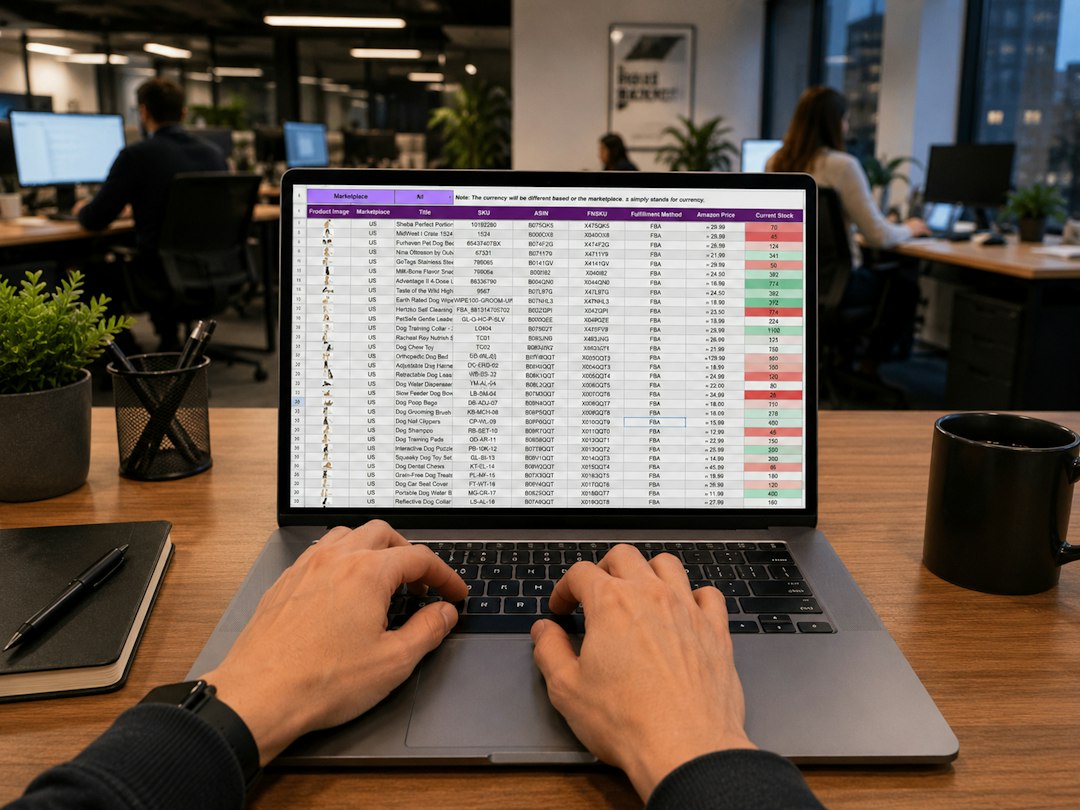
Too often, business owners treat technology as a side concern rather than part of their core strategy. They might keep using old hardware past its prime or delay software updates until problems force their hand. That approach creates security gaps and drags down performance. A better route is to schedule regular maintenance and updates, ensuring systems run smoothly and risks stay low. Documenting network changes and maintaining an inventory of devices also helps avoid surprises during audits or troubleshooting.
Managed IT covers more than just fixing issues after they arise. Cybersecurity is a top priority, involving layers like firewalls, endpoint protection, and intrusion detection systems that work together to shield sensitive information. Regular vulnerability scans and employee training on phishing attacks are practical steps many overlook but make a big difference. Cloud services are another essential piece, offering flexible storage and remote access that match today’s mobile work patterns while supporting backups and disaster recovery plans.
Custom software tailored to a business’s needs can transform daily operations. Take a local retailer struggling with an outdated order system that limits throughput. Updating to a custom application designed for their specific workflow enabled faster order entry, fewer errors, and happier customers. These improvements don’t happen by chance; they come from analyzing workflows carefully and testing solutions before full rollout.
Strategic IT consulting helps align technology investments with where the business wants to go. This often means identifying gaps like manual data entry that slows teams down or systems that don’t communicate well with each other. Automation tools can trim repetitive tasks and integration platforms can connect disparate software to improve data flow. A thoughtful review of current infrastructure often reveals hidden opportunities to boost efficiency.
Business owners should also consider the financial side of managed IT. While there’s upfront cost, investing in proactive management reduces downtime costs and avoids emergency fixes that can be expensive and disruptive. Long-term planning includes budgeting for hardware refreshes every 3-5 years, scheduling security audits annually, and evaluating cloud service usage regularly to optimize expenses.
Connecticut’s market demands a clear understanding of both technology and business needs. Partnering with firms that specialize in managed IT connecticut offers access to experienced professionals who know how to handle common pitfalls like misconfigured firewalls or overlooked software licenses. They also help maintain documentation to prevent knowledge loss when staff turnover occurs.
Take stock of your current IT setup. Are your backups tested regularly? Do you have visibility into network performance? Are security patches applied promptly? If manual processes still dominate your workflow or data management feels risky, it’s time to act. For tailored guidance on improving your IT environment, it support services in connecticut provide hands-on help suited to your business’s unique challenges.