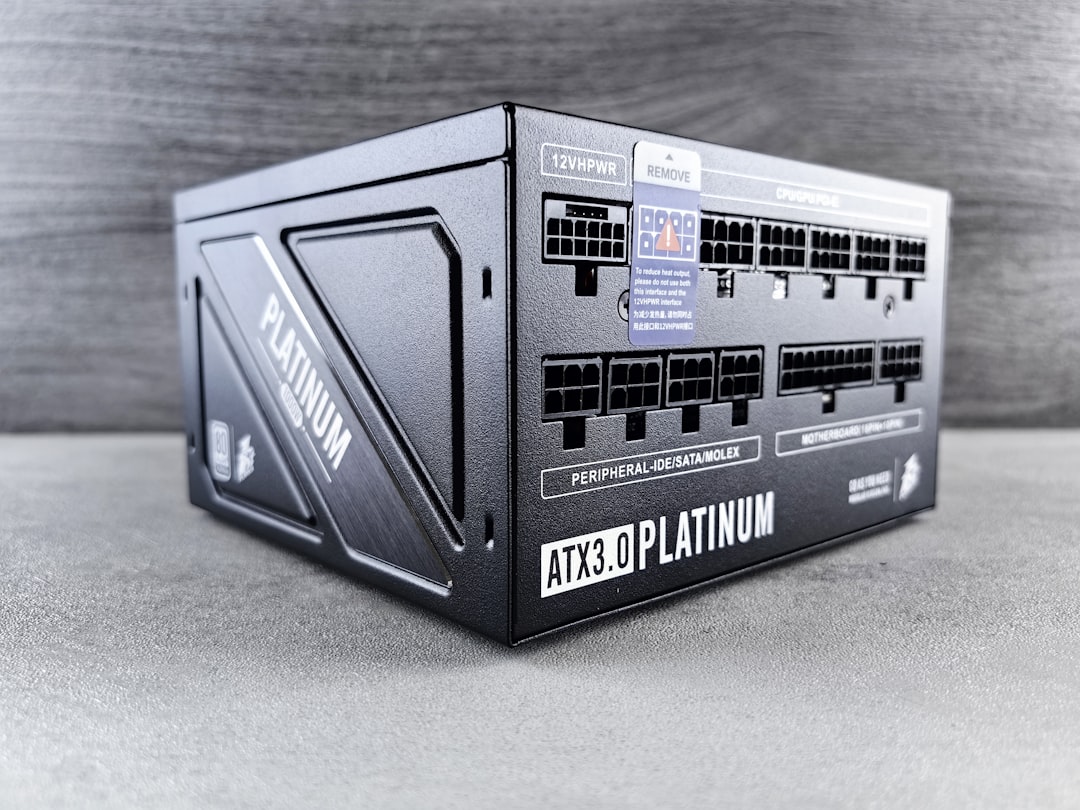
A major advantage of modular systems is how they can be tailored to fit specific power needs. For example, different devices in the same facility might need varying voltage or current levels. Swapping components like the 51102 Series 1U PDU lets you fine-tune performance without replacing the entire unit. Adding inductors such as the Inductor 360 µH, 8A helps match the load demands precisely. This modular approach prevents overspending on capacity and keeps the setup aligned with changing equipment requirements.
Heat management is often overlooked but critical in high-load environments. Poor cooling can cause components to degrade quickly or malfunction. Modular power supplies typically improve airflow and heat distribution compared to fixed designs. Components like the Inductor Choke Coil, available in 0.6 H or 1H variants, are built to handle higher currents while staying within safe temperature limits. Regularly checking for dust buildup on fans and heat sinks also helps maintain thermal performance and extends system life.
Installation tends to be more straightforward with modular setups. Facility staff frequently report that fitting an Inductor 50 µH, 4.6A into an existing rack is less disruptive than rewiring an entire power system. This ease of integration reduces downtime during maintenance or upgrades, which keeps operations running smoothly. A practical habit is keeping detailed logs of component swaps, which prevents confusion later and ensures compatibility across parts.
Component reliability directly affects system uptime. High-quality inductors, such as the Magnetic Core Inductor 3.7 mH, are designed for durability under fluctuating loads. Choosing components rated for your specific operating conditions lowers the chance of unexpected failures. It’s common for teams to check datasheets carefully and run bench tests before installation to confirm specs match real-world demands. Over time, this reduces repair costs and minimizes interruptions.
There’s a wide selection of modular power supply products on the market tailored to various requirements. You can browse options like modular power supplies that fit diverse applications and budgets. Understanding each product’s capabilities helps in planning upgrades or expansions. Cross-checking compatibility with existing infrastructure avoids costly mistakes and rework.
Thermal issues, installation ease, and component quality aside, good documentation is often what separates a smooth project from a drawn-out headache. Facility managers benefit from maintaining clear records on wiring layouts, part numbers, and warranty information. This reduces miscommunication between teams and contractors during routine work or emergency repairs.
Exploring power inductor options and other components can provide insights into how to balance load requirements and thermal constraints effectively. Being proactive about matching parts to needs helps prevent common pitfalls in power system design. Regular reviews of system performance and component condition can catch potential problems before they cause downtime.