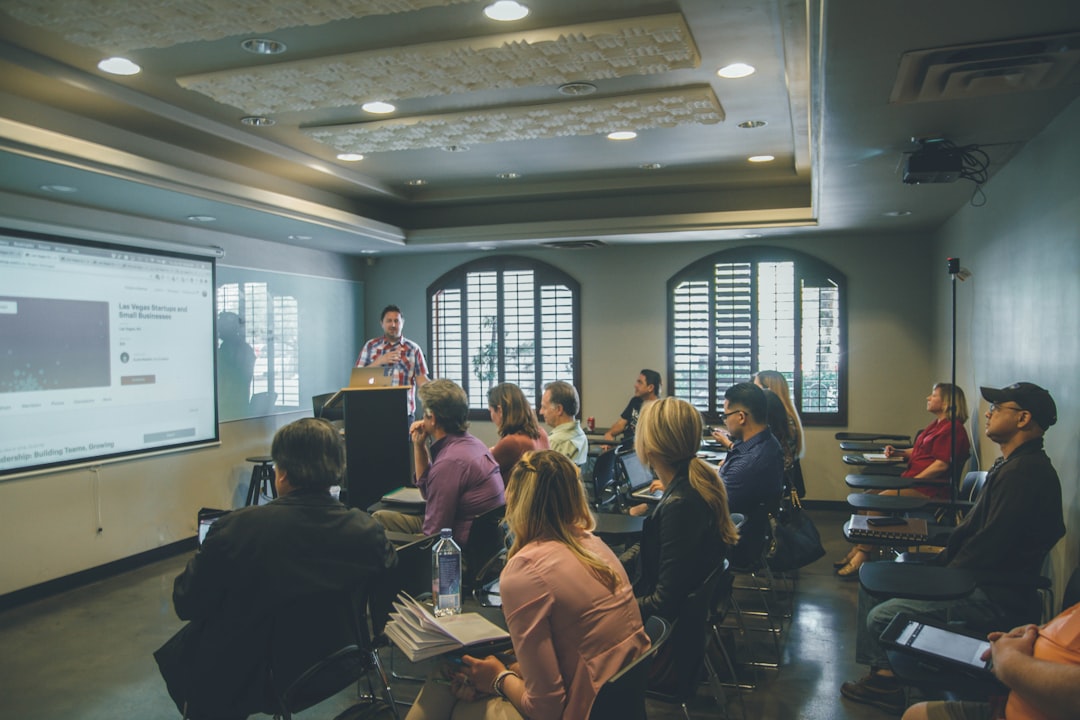
Different types of veteran events call for different approaches. Maybe you’re thinking about a memorial service, which needs a solemn tone and speakers who understand military culture. Or perhaps a barbecue that welcomes families, complete with games and live music to create a relaxed atmosphere. Workshops covering benefits or VA resources can offer practical help, while also building connections among attendees. Each option requires planning suited to its purpose, like arranging sound systems for speakers or picking activities that are accessible for older vets.
Veteran event planners bring skills in logistics, outreach, and programming specifically focused on this community. They know how to reach veterans through local groups and social media channels where younger vets spend time. A solid partnership with a local VFW post or American Legion chapter can boost turnout and lend authenticity. Many planners also track common pitfalls like last-minute permit issues or underestimating parking needs, helping you avoid missteps that can derail an event.
Honoring veterans means more than just showing up. Events often include guest speakers sharing firsthand experiences or experts providing updates on veteran benefits and services. Adding workshops on resume writing or financial advice meets real needs and encourages vets to come back next time. Practical touches matter too, having water stations, quiet spaces for those who need them, and clear signage helps keep everyone comfortable and engaged.
You can find examples of successful gatherings by exploring events for veterans near me. Seeing what’s worked elsewhere offers ideas for your own plans, whether it’s the best time of day to host or how to coordinate transportation for attendees without cars. Real-life event organizers often share tips about scheduling around VA benefit claim cycles or veteran holidays to maximize participation.
Building connections with local businesses is another way to stretch your budget and increase community involvement. Restaurants might donate food in exchange for flyers or social media shout-outs. Hardware stores could contribute supplies for setting up tents or stages. These partnerships reduce your costs but also create a network of support that extends beyond the event itself. It pays to keep track of who has contributed what; simple spreadsheets prevent confusion later.
Listening to veterans themselves is key. Before finalizing plans, ask what they want through surveys or informal chats at places they frequent, coffee shops, gyms, or veteran centers. Their input will steer you away from assumptions and toward events that actually matter. Keeping people updated with emails or social posts ensures they feel part of the process and know what’s coming.
If organizing all this feels like too much, professionals experienced in veteran events can guide you. They help keep things on track and offer fresh ideas tailored to military communities. For detailed advice and resources on putting together respectful and effective veteran gatherings, check out support for veteran event planning.