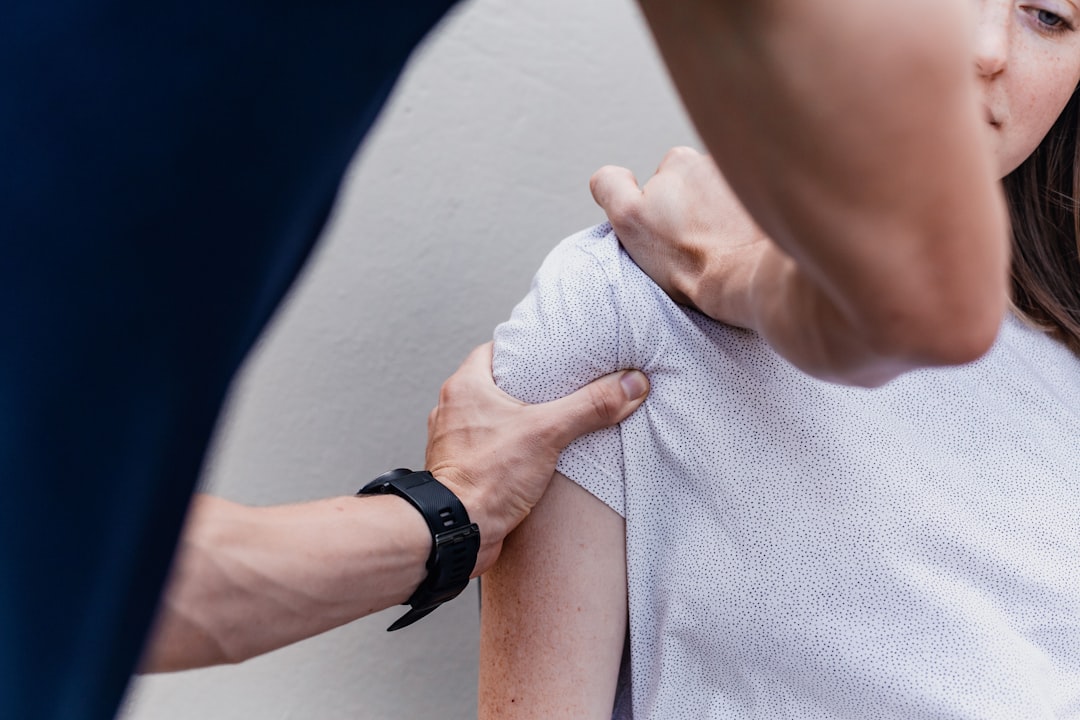
Recovering from an injury can be a frustrating and uncertain experience. Whether caused by sports, accidents, or repetitive strain, physical injuries disrupt daily routines and often lead to diminished strength, mobility, and confidence. Exercise rehabilitation offers a structured, evidence-based approach to guide individuals through recovery, helping them regain function and prevent future injuries.
Exercise rehabilitation is a carefully designed program of physical activity tailored to the specific needs of an individual recovering from injury or surgery. Unlike general fitness regimens, these programs focus on restoring proper movement, enhancing strength, and rebuilding endurance in a gradual and safe manner. A key component of successful rehabilitation is personalized assessment, which ensures that exercises are suitable for the patient’s condition and physical capacity.
One of the primary goals of exercise rehabilitation is to restore optimal movement patterns. After an injury, the body often compensates in ways that lead to imbalances or faulty mechanics. Without correcting these patterns, there’s a greater risk of re-injury or chronic pain. Through targeted exercises, patients can retrain their muscles, improve joint stability, and enhance neuromuscular coordination. These improvements create a strong foundation not only for recovery but also for long-term physical health.
Patients recovering from orthopedic surgeries, such as ACL reconstructions or shoulder repairs, often require progressive loading and specific mobility work. Exercise rehabilitation programs provide the structure and progression needed to navigate these complex recoveries. For example, someone recovering from a knee injury might begin with isometric exercises to activate the quadriceps before progressing to functional movements like squats or step-ups. Each step is monitored and adjusted based on progress and feedback.
In addition to physical benefits, rehabilitation exercises can greatly impact mental well-being. The process of regaining strength and control over one’s body fosters a sense of achievement and optimism. Regular movement also contributes to the release of endorphins, which naturally reduce stress and improve mood. By incorporating both physical and psychological aspects, exercise rehabilitation supports holistic recovery.
For those dealing with chronic conditions such as arthritis or lower back pain, exercise rehabilitation offers a non-invasive, proactive approach to pain management. Customized programs help strengthen the muscles supporting vulnerable joints, reduce stiffness, and improve range of motion. Over time, these exercises can decrease the frequency and severity of flare-ups, leading to greater independence and an improved quality of life. You can learn more about how these programs are structured by exploring services in exercise rehabilitation.
Rehabilitation is not just for athletes or people recovering from surgery. It can benefit anyone experiencing limitations due to injury, illness, or inactivity. Office workers with posture-related issues, older adults aiming to maintain mobility, and individuals preparing for or recovering from childbirth can all benefit from guided rehabilitation. The key is a personalized approach that focuses on individual goals and challenges.
Professional guidance is essential in exercise rehabilitation. While online videos and general advice can offer ideas, working with a trained therapist ensures that exercises are performed correctly and safely. Poor technique can lead to setbacks or new injuries, particularly when dealing with compromised tissues or joints. A qualified physiotherapist evaluates progress regularly and adapts the program as needed, ensuring steady and sustainable improvement.
Incorporating exercise rehabilitation into your recovery plan can significantly impact your long-term health and mobility. The process emphasizes gradual progression, individual attention, and functional improvement, which sets it apart from generic fitness routines. With the right support and commitment, individuals can move beyond injury and regain the strength and confidence to engage fully in life. To get started or learn more, visit this sports physiotherapy resource for detailed guidance and support.